Endocrinology clinics of texas
What Continuous Glucose Monitoring Sensors Can Reveal About Diabetes
See the Patterns Behind Your Glucose Numbers
A single A1C result or finger-stick reading can feel discouraging, especially when it does not match how you feel day to day. We want you to know that glucose naturally moves up and down throughout the day. One result is only one data point, not a grade for your effort or a full picture of your health.
Continuous glucose monitoring sensors can show what is happening between those isolated checks. These small sensors measure glucose in the fluid just beneath the skin through the day and night. When we review the patterns with you, we can better understand how meals, medication, movement, sleep, stress, illness, and hormones may be affecting your glucose.
The goal is not perfect numbers or constant self-criticism. It is learning what your body may be telling you. For people with type 1 diabetes, type 2 diabetes, prediabetes, insulin resistance, PCOS, and other metabolic concerns, that information can support practical conversations about what to do next.
How CGM Sensors Turn Readings Into Useful Clues
A continuous glucose monitor, often called a CGM, includes a small sensor worn on the body. The sensor checks glucose frequently and sends information to a reader, phone, or compatible device. Instead of waiting for a single finger-stick check, you can see a more detailed picture of your glucose throughout the day.
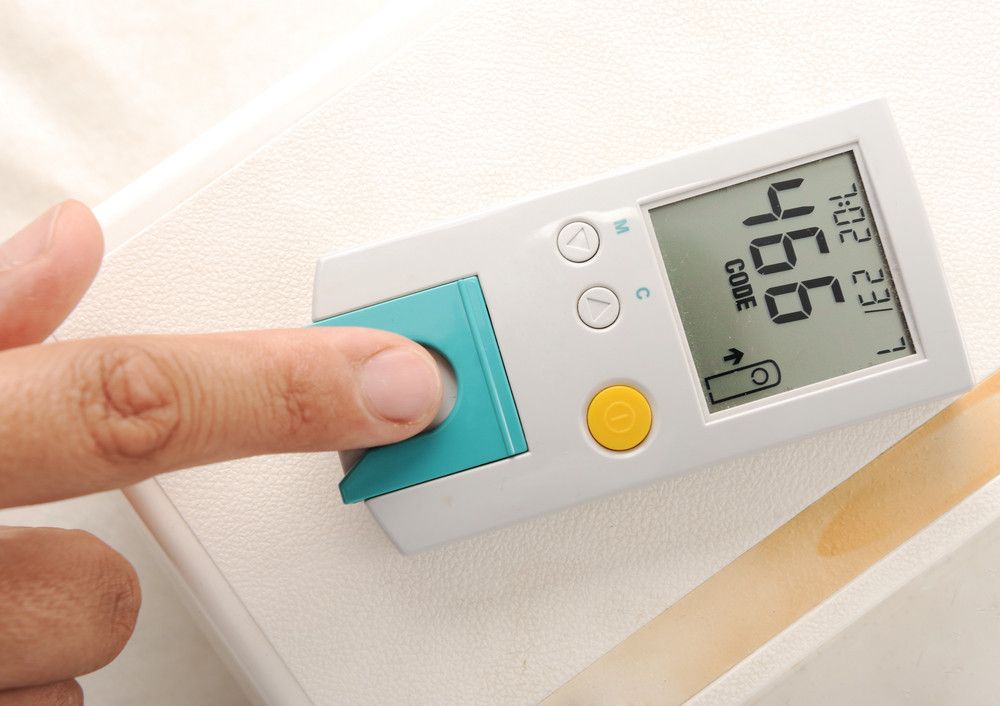
Sensor glucose is not exactly the same as a finger-stick blood glucose result. Because the sensor measures glucose in fluid under the skin, there can be a short delay when glucose is rising or falling quickly. If your symptoms do not match the sensor reading, or if your device recommends confirmation, a finger-stick test may be needed.
CGM reports often include terms like these:
- Current glucose, the reading shown at that moment
- Trend arrows, which show whether glucose may be rising, falling, or staying steady
- Time in range, the amount of time glucose stays within a target set with your care team
- High and low alerts, which can warn you when glucose reaches a chosen level
- Glucose variability, how much glucose moves up and down over time
We find that a pattern over several days or weeks is usually more helpful than one isolated number. A CGM does not diagnose diabetes or replace regular medical care. We interpret the information alongside your symptoms, A1C, medications, health history, and other lab work.
What Daily Glucose Patterns May Be Telling You
Repeated rises after certain meals, drinks, or eating patterns can be easier to spot with continuous glucose monitoring sensors. That does not mean you failed or chose the “wrong” food. It gives us a starting point for discussing meal timing, portions, meal balance, medication effects, and individualized nutrition support.
Nighttime data may offer useful clues, too. Some people see glucose remain high overnight, drop during sleep, or rise before waking. Evening meals, medication timing, insulin needs, stress, illness, sleep quality, and normal hormone changes can all play a role. We do not recommend making major medication changes based on a few readings without clinical guidance.
Glucose is affected by much more than food. Things we may explore together include:
- Physical activity and changes in your usual routine
- Dehydration, pain, acute illness, or corticosteroid medications
- Emotional stress and disrupted sleep
- Menstrual cycles and PCOS-related insulin resistance
- Thyroid concerns, weight changes, and other metabolic symptoms
For someone managing diabetes along with thyroid disease, PCOS, or weight concerns, it can be tempting to blame every symptom on one issue. We take a more thoughtful approach. Your symptoms, glucose trends, medications, and overall health all deserve to be considered together.
Use CGM Insights Without Blame or Overreaction
More data can feel empowering, but it can also feel like a lot. Some people start checking their screen constantly or feel anxious when a number is higher or lower than expected. We encourage you to treat the data as information, not a report card.
A single reading can be affected by several things. Glucose may be changing quickly, the sensor may have a brief delay, or pressure on the sensor during sleep may cause an unexpected low reading. Even a confirmatory finger-stick can be affected if something on your hands changes the result. That is why several days of data often tell a clearer story than one surprising number.
It can help to make simple notes for your diabetes visit, such as:
- When you ate and what your day’s eating pattern looked like
- Activity, sleep, stress, and symptoms
- Medication doses or timing changes
- Times when readings seemed different from how you felt
Recurring low glucose, severe highs, dehydration symptoms, vomiting, confusion, or concerns about diabetic ketoacidosis deserve prompt medical attention. We also want you to ask questions before changing insulin or other diabetes medications. Safe adjustments depend on your complete health picture, not a single graph.
Know When Personalized Care Can Make a Difference
CGM use may be worth discussing if you use insulin, have frequent or unexplained low glucose, or feel that your A1C does not match your daily experience. Some people who want a clearer view of diabetes management may benefit as well. In certain situations, people with prediabetes or insulin resistance may also use a CGM as part of an individualized plan.
During an endocrinology visit, we can review CGM information along with other details that matter. Depending on your needs, this may include A1C, fasting glucose, medication effects, kidney function, cholesterol, weight and metabolic health, thyroid status, PCOS symptoms, fatty liver risk, and family history.
Coverage for a CGM can vary based on diagnosis, medications, plan rules, and clinical needs. A device is not the only path to better diabetes care. Finger-stick monitoring, lab testing, nutrition support, medication review, and realistic lifestyle changes can all be meaningful parts of a plan.
Bring Your Questions to Your Diabetes Visit
Before your next visit, write down what you notice about your glucose patterns, symptoms, medications, and goals. Questions about a repeated morning rise, a low during activity, or a reading that does not fit how you feel are all worth bringing up.
The most useful glucose data supports a compassionate, evidence-based plan built around you. Whether we use CGM information or other tools, the focus stays the same: understanding your health more clearly and choosing next steps with care.
Find Clarity for Your Next Diabetes Care Step
At Endo Clinics TX, we help patients make sense of patterns that may be affecting blood sugar, medications, meals, and daily routines. We are one of the few clinics in the Houston area to place subcutaneous 365-day Eversense CGM sensors for patients on insulin. Our continuous glucose monitoring sensors resources can help you understand how this technology fits into diabetes care. If you would like personalized support, contact us to discuss your concerns and care options with our team.
Share Post:
search Article
Recent Posts