Endocrinology clinics of texas
When Insulin Resistance Is Driving Fatty Liver Changes
Fatty Liver Can Improve When You Address the Root Cause
Fatty liver changes are common, often quiet, and never a personal failure. When the body has trouble responding to insulin, extra sugar and fat can build up in the liver over time. We help patients understand how insulin resistance may connect to metabolic dysfunction-associated steatotic liver disease, also called MASLD, along with prediabetes, type 2 diabetes, PCOS, and weight concerns.
The encouraging news is that earlier attention can make a meaningful difference. By looking at the full picture of your metabolic health, we can identify concerns sooner and create a plan that supports both your liver and the rest of your body.
What Insulin Resistance Does to Your Liver
Insulin is a hormone that helps move glucose, or sugar, from your bloodstream into your cells for energy. With insulin resistance, the body’s cells do not respond to insulin as well as they should. In response, the pancreas may make more insulin to try to keep blood sugar in a healthy range.
Over time, higher insulin levels can signal the liver to make and store more fat. As fat collects in liver cells, it can lead to MASLD. Some people with liver fat may also develop inflammation or fibrosis, which means scarring. That is why regular monitoring can matter, even if you feel fine.
Fatty liver is not always related to alcohol use, and it can affect people at many body sizes. In our practice, we often consider insulin resistance as one possible driver when someone has:
- Prediabetes or type 2 diabetes
- PCOS or signs of hormone imbalance
- High triglycerides or cholesterol concerns
- More weight around the midsection
- A family history of diabetes or metabolic disease
No single factor tells the whole story. Your health history, lab work, symptoms, and long-term trends all help us understand what may be affecting your liver.
Why Symptoms Can Stay Quiet for Years
Many people with insulin resistance or fatty liver changes feel completely well. Others may notice fatigue, increased hunger, trouble managing weight, or brain fog. Those concerns can be frustrating, but they do not diagnose a liver condition on their own. They can happen for many reasons, including sleep issues, thyroid concerns, stress, medication changes, and other health conditions.
Because symptoms can be subtle, we do not recommend waiting until you feel unwell to ask about metabolic screening. A complete review may be especially helpful if you have a history of gestational diabetes, PCOS, high blood pressure, sleep apnea, high cholesterol, or high triglycerides.
A larger waist circumference can also be one clue that the body may be storing more fat around internal organs. For patients with hypothyroidism or other hormone-related concerns, we may consider whether a broader metabolic evaluation makes sense based on the individual situation.
Routine blood work can sometimes show early changes, but normal liver enzymes do not always rule out liver fat or scarring. That is one reason we look beyond a single lab value. Clear answers often come from putting several pieces together rather than focusing on one result.
Tests That Clarify Liver Health and Metabolic Risk
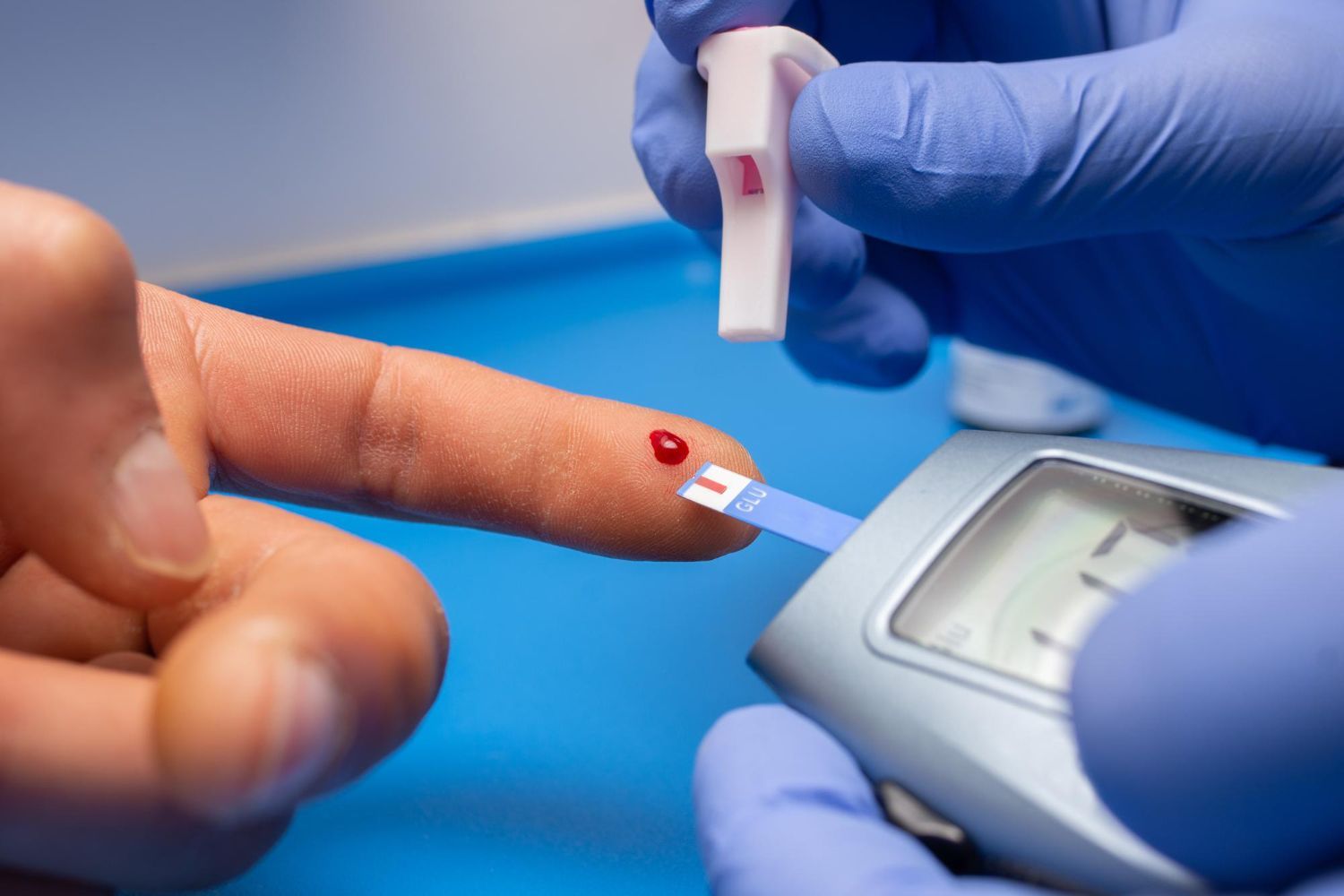
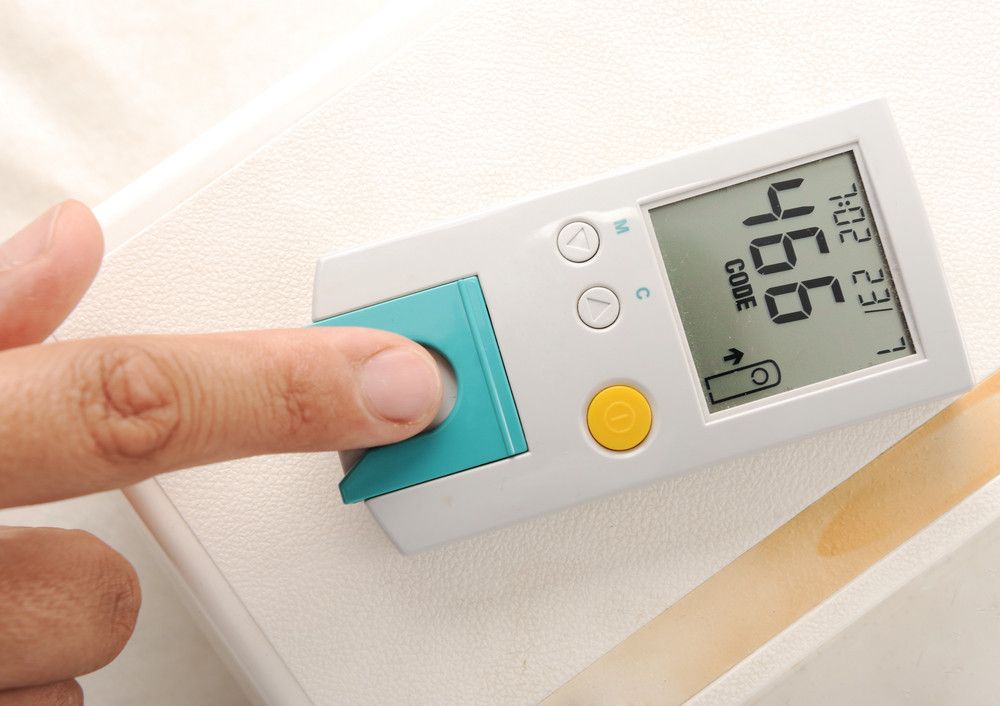
When fatty liver changes or insulin resistance are suspected, testing should fit your personal history and current health needs. We may review liver enzymes, fasting glucose, A1C, cholesterol and triglyceride levels, and blood pressure. These results can help show patterns related to blood sugar, liver function, and metabolic health.
Insulin resistance is not always defined by one standalone test. Instead, we consider the full clinical picture, including your blood sugar trends, medication history, family history, waist measurement, PCOS symptoms, and past liver test results.
Depending on what we find, further evaluation may include:
- An ultrasound to look for fatty changes in the liver
- A specialized noninvasive liver assessment
- A risk score that estimates the chance of fibrosis
- Additional liver evaluation when inflammation or scarring is a concern
Testing is not about assigning blame. It gives us a clearer starting point. It can also help separate liver-related concerns from other issues that may cause similar symptoms or affect your metabolic health.
Steps That Support Your Liver and Insulin Sensitivity
Quick fixes and highly restrictive diets are rarely a comfortable long-term answer. Instead, we focus on realistic changes that can fit into your daily life. When medically appropriate, gradual weight loss may reduce liver fat and improve insulin sensitivity. Even modest progress can support better metabolic health.
Helpful foundations often include balanced meals with protein and fiber, fewer sugary drinks, and fewer heavily refined carbohydrates. Regular movement can help the body use glucose more effectively, while strength training may be appropriate for some people. Consistent sleep and stress management also deserve attention because they can affect hunger, energy, and blood sugar patterns.
Care should always be personal. Depending on your needs, we may address prediabetes or diabetes, review medications, treat PCOS, manage cholesterol concerns, evaluate thyroid function, or discuss evidence-based weight management options. We build these conversations around your health history, goals, and preferences, not a one-size-fits-all plan.
Take the Next Step Toward Better Metabolic Health
Fatty liver changes, prediabetes, PCOS, type 2 diabetes, unexplained weight changes, and a family history of metabolic disease can all be reasons to take a closer look at insulin resistance. A thoughtful evaluation can clarify what is happening now and what deserves follow-up over time.
Small, steady changes and regular medical guidance can protect your liver health without turning food, movement, or weight into a source of shame. Understanding your numbers and discussing them with an endocrinology specialist can give you a clearer path forward.
Get Support for Your Metabolic Health
At Endo Clinics TX, we look at the full picture to help identify factors affecting your liver and metabolic health. We offer FibroScan in our office, which is a painless, non-invasive ultrasound test used to evaluate for fatty liver disease. If you are managing
insulin resistance, our team can help connect your symptoms, lab results, and treatment options.
Contact us to discuss your concerns and arrange an appointment.
Share Post:
search Article
Recent Posts