Endocrinology clinics of texas
Understanding Prediabetes Before It Becomes Type 2 Diabetes
Prediabetes Is a Chance to Protect Your Health
Prediabetes means your blood sugar is higher than normal, but it has not reached the range for type 2 diabetes. It is not a personal failure, and it does not mean type 2 diabetes is inevitable. We see it as an early warning that gives you time to understand your health and make changes that fit your real life.
Abnormal lab results can bring up confusion, frustration, or worry. Blood sugar is shaped by much more than willpower, including genetics, hormones, medications, sleep, stress, activity, and other health conditions. We want to help you make sense of your results, recognize possible risk factors, and understand when personalized endocrine care may be useful.
How Prediabetes Develops and Why It Often Stays Silent
Insulin is a hormone that helps move sugar from your bloodstream into your cells, where it can be used for energy. With insulin resistance, your cells do not respond as well to insulin. Your pancreas may then need to make more insulin to keep blood sugar in a healthy range.
Over time, that extra work may not be enough, and blood sugar can begin to rise. Prediabetes often causes no clear symptoms, so it is possible to feel completely well while changes are happening in the background. That is one reason routine screening matters.
We often look more closely at blood sugar when you have factors such as:
- A family history of diabetes
- Higher body weight, high blood pressure, or cholesterol concerns
- A history of gestational diabetes
- PCOS, fatty liver disease, or sleep apnea
- Medications that may affect blood sugar
Thyroid conditions can also affect weight, energy, and metabolism. When your symptoms and lab results do not seem to tell the same story, a full evaluation can help us look at the bigger picture.
Prediabetes Test Results Made Easier to Understand
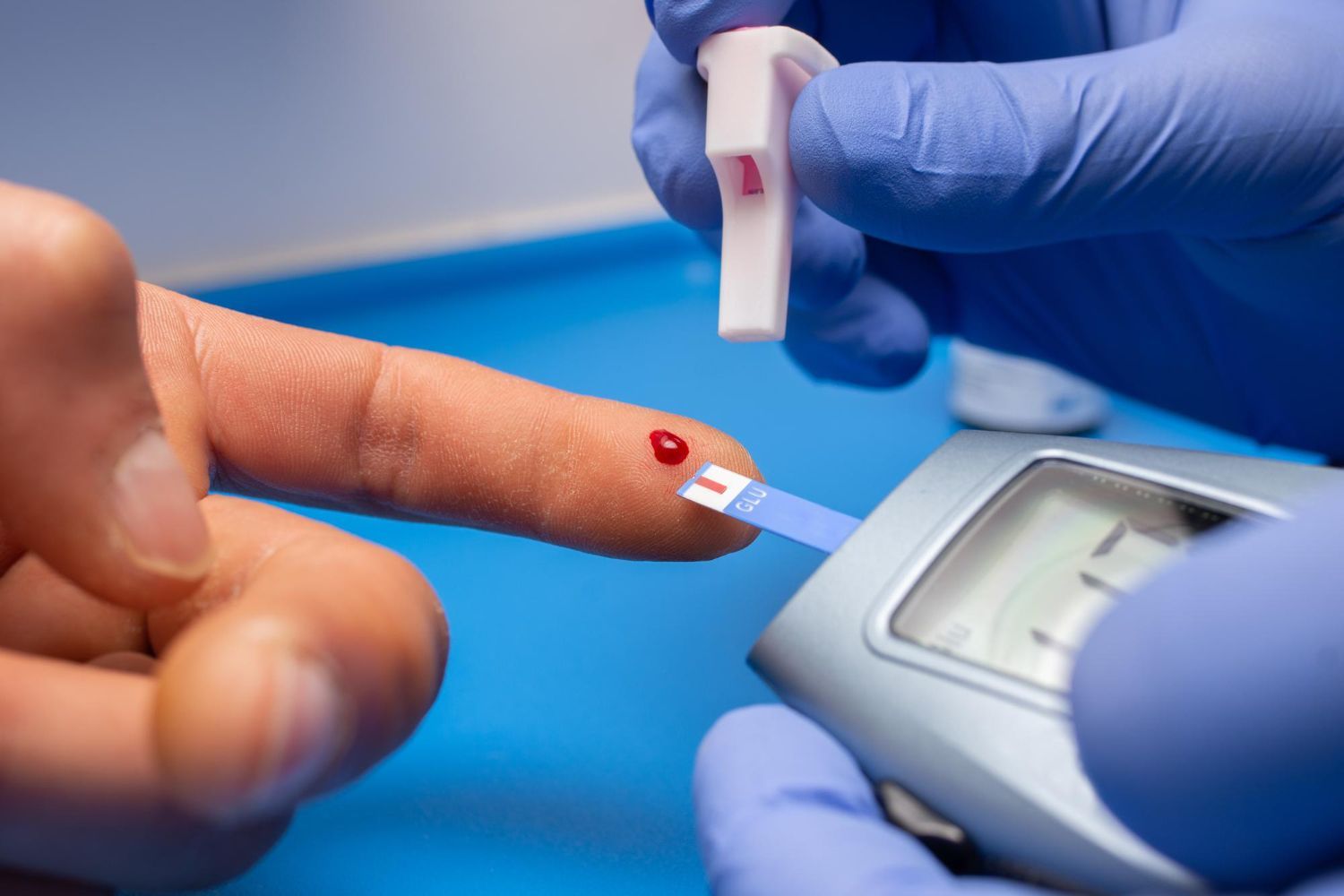
Several tests can be used to identify prediabetes. An A1C between 5.7% and 6.4% may fall in the prediabetes range. A fasting blood glucose result of 100 to 125 mg/dL or a two-hour glucose tolerance test result of 140 to 199 mg/dL may also point to prediabetes.
Each test looks at blood sugar a little differently. A1C reflects your average blood sugar over roughly the past two to three months. Fasting glucose measures your blood sugar at one moment, usually after you have not eaten for a period of time. When results are unclear, clinicians may repeat a test or use more than one type of test.
Interpretation is not always simple. Anemia, kidney disease, pregnancy, certain medications, and other health concerns can affect how results are read. We encourage a conversation that considers more than one number, including:
- Family history and current medications
- Recent weight or energy changes
- Blood pressure and cholesterol
- Sleep quality and stress
- Menstrual changes, acne, or excess hair growth when relevant
- Symptoms that may point to thyroid or other hormone concerns
Small Sustainable Changes Can Improve Insulin Response
Prediabetes care does not need to mean a strict diet or a short-lived health challenge. Small, steady changes in food choices, movement, sleep, and weight can support better insulin sensitivity and help lower the risk of type 2 diabetes.
Rather than labeling foods as “good” or “bad,” we often focus on building satisfying meals. Vegetables, fiber-rich carbohydrates, protein, and healthy fats can work together to support steadier blood sugar. Limiting sugary drinks may also be a practical place to begin. The best eating pattern is one that respects your culture, budget, medical needs, and daily schedule.
Movement is not punishment for what you ate. Your muscles use glucose for energy, so regular activity can support blood sugar management. A short walk after meals, strength training, dancing, swimming, or another activity you enjoy can all be meaningful choices. Progress can start small and build over time.
Sleep and stress deserve attention, too. Poor sleep and ongoing stress can make blood sugar harder to manage. Follow-up testing helps us see how your plan is working and whether it needs to be adjusted.
Personalized Care for PCOS, Thyroid, and More
There is no single prediabetes plan that works for everyone. Some people benefit from lifestyle support and regular monitoring, while others may need medication discussions, nutrition guidance, or testing for health conditions that contribute to insulin resistance.
PCOS is one condition often linked with insulin resistance. If you have irregular periods, acne, excess hair growth, fertility concerns, or unexplained weight changes, we may consider whether PCOS is part of the picture. Identifying it can support both metabolic and reproductive health planning.
Thyroid care matters as well. Hypothyroidism and autoimmune thyroid conditions, including Hashimoto’s, can contribute to fatigue, weight changes, and cholesterol concerns. Still, thyroid treatment alone does not replace a complete prediabetes plan. We look at lab results, symptoms, medical history, and medication choices together rather than assuming one issue explains everything.
An endocrinology evaluation may also include related concerns such as fatty liver risk, blood pressure, cholesterol, and medicines that can affect blood sugar.
Take a Steady Approach to Diabetes Prevention
If you have been told you have prediabetes, bring your lab results and questions to your primary care clinician or an endocrinology specialist. It can help to ask about your A1C, when testing should be repeated, food and activity support, sleep, medications, PCOS symptoms, thyroid concerns, and family history.
Progress does not have to be perfect to matter. With informed guidance and realistic changes that work in daily life, many people can improve their blood sugar and lower their risk of developing type 2 diabetes.
Personalized Support for Your Next Steps
At Endo Clinics TX, we take the time to understand your health history, lab results, and concerns. Our
prediabetes services can help you build a practical plan for monitoring blood sugar and supporting your long-term health. If you are ready for individualized guidance,
contact us to schedule an appointment with our team.
Share Post:
search Article
Recent Posts